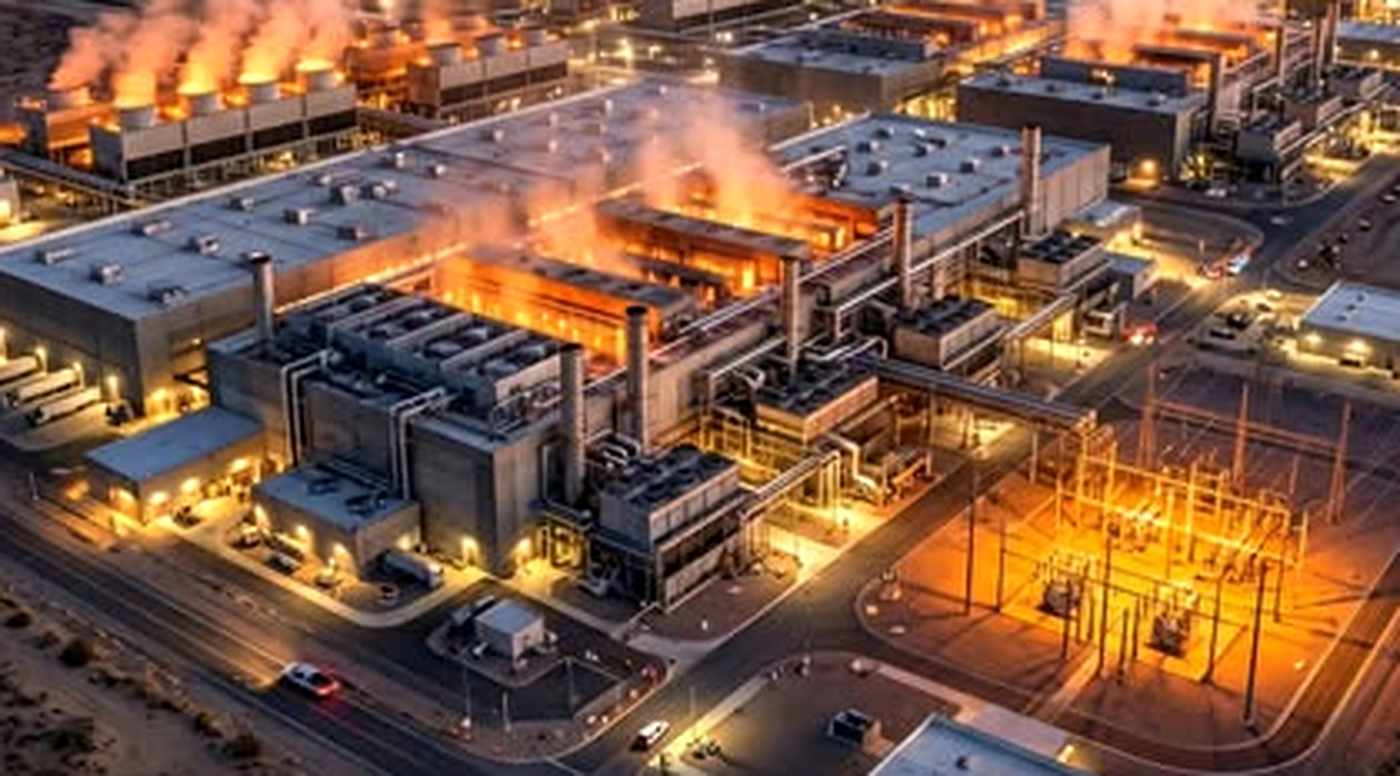
Developers are planning a massive AI data center called “Stratos” in Box Elder County, Utah, which would require nine gigawatts of electricity—an amount exceeding double the current power consumption of the entire state.
The facility is expected to produce seven to eight gigawatts of waste heat, resulting in a total thermal load of 16 gigawatts.
To illustrate the scale, Utah State University physicist Robert
Davies noted that the daily energy output equals the heat of 23 atomic bombs.
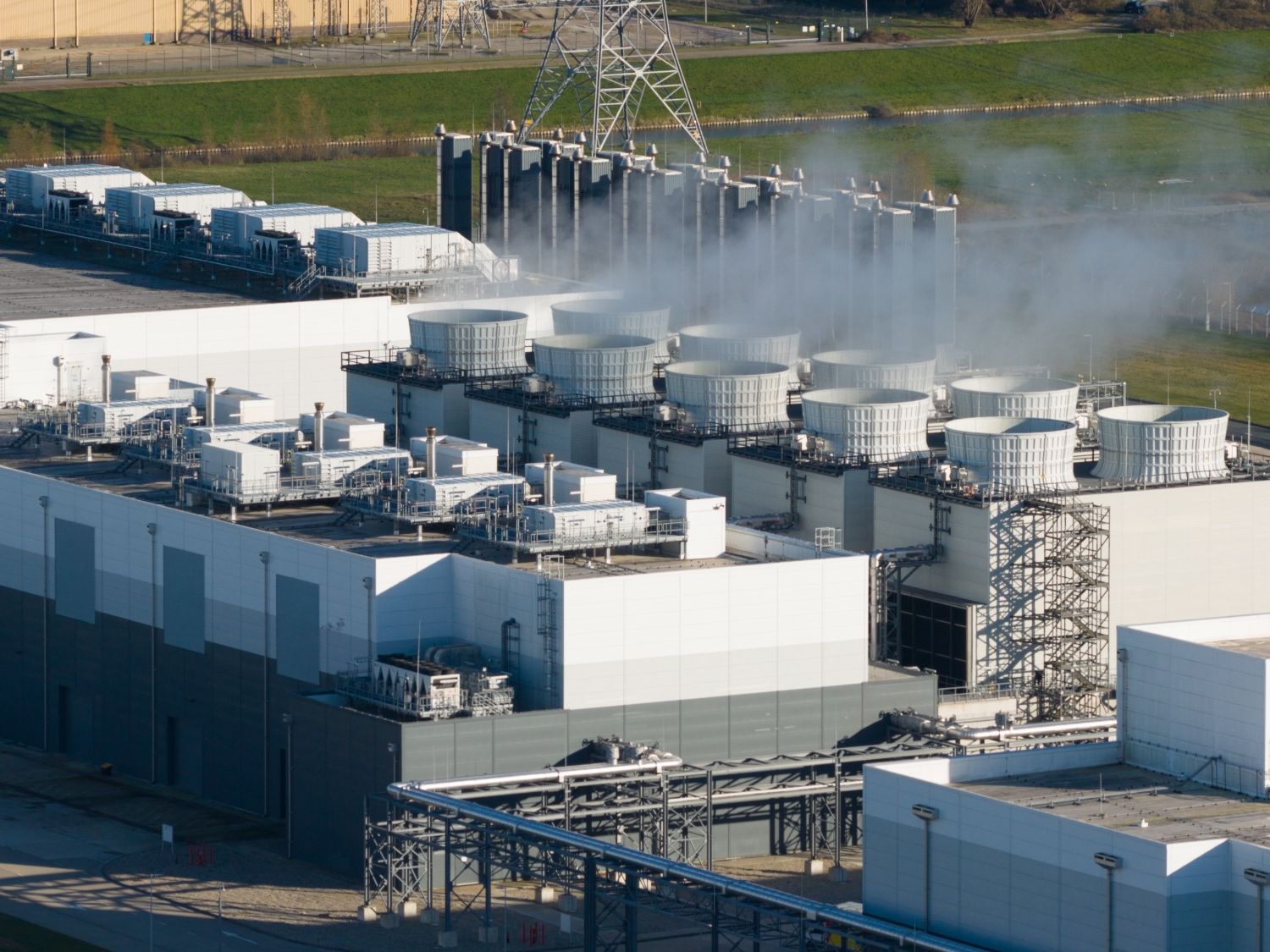
This heat would collect in the Hansel Valley, a desert basin that naturally holds air, which could turn the area into a severe “heat island.” These environmental factors raise major concerns for a region that is already dealing with toxic dust and the shrinking of the Great Salt Lake.
Ecologists caution that the center could increase local daytime temperatures by 5 degrees Fahrenheit and raise nighttime temperatures by up to 28 degrees.

These significant temperature changes could alter the behavior
Of local wildlife, change the composition of the soil, and increase water needs in a vulnerable ecosystem. As AI expands quickly, the Stratos project showcases the rising conflict between digital infrastructure needs and the physical limits of local environments.