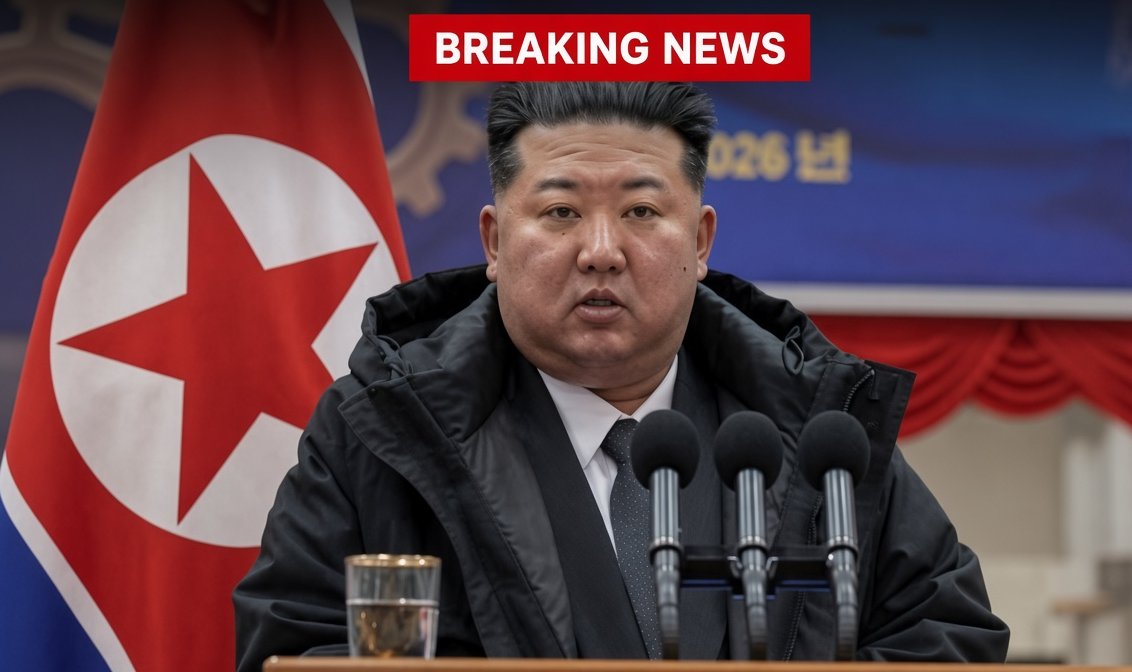
But as officials and verified international sources quickly clarified, the claim was entirely false. There was no military order, no confirmed strike, and no escalation of conflict. South Korean authorities and diplomatic channels firmly denied the narrative, stressing that the country’s focus remains on regional stability, security cooperation, and diplomatic engagement—not unilateral military action.
What unfolded instead was a textbook example of how misinformation spreads in
the digital age. Sensational topics involving war or global conflict tend to ignite strong emotional reactions, and that urgency often overrides careful verification. Once engagement spikes, algorithms push the content further, creating a rapid chain reaction where unverified claims begin to feel like breaking news simply because they are everywhere.
In reality, nothing had changed on the ground. The situation existed almost entirely online—a product of distortion, misinterpretation, and amplification. Within hours, fact-checkers and reputable global news organizations confirmed the absence of any military developments, helping to steady a narrative that had briefly spiraled out of control.
The incident serves as a reminder of how fragile digital trust can be. In an era where information travels faster than verification, a single misleading post can mimic the urgency of real-world events. It also highlights the growing responsibility placed on both platforms and users to slow down, verify sources, and resist the instinct to react instantly to alarming claims.
Authorities continue to emphasize that any genuine geopolitical action involving state-level military
decisions would always follow formal protocols and be communicated through official channels—not viral posts or anonymous accounts.
In the end, the “Korea strike order” story wasn’t a sign of real-world escalation—it was a demonstration of how quickly fear can be manufactured online. And as the noise fades, what remains is a clear lesson for the digital era: not everything that spreads fast is true, and not everything that trends deserves belief.
Before you share the next breaking headline, pause for a moment—because in today’s world, verification is more powerful than virality