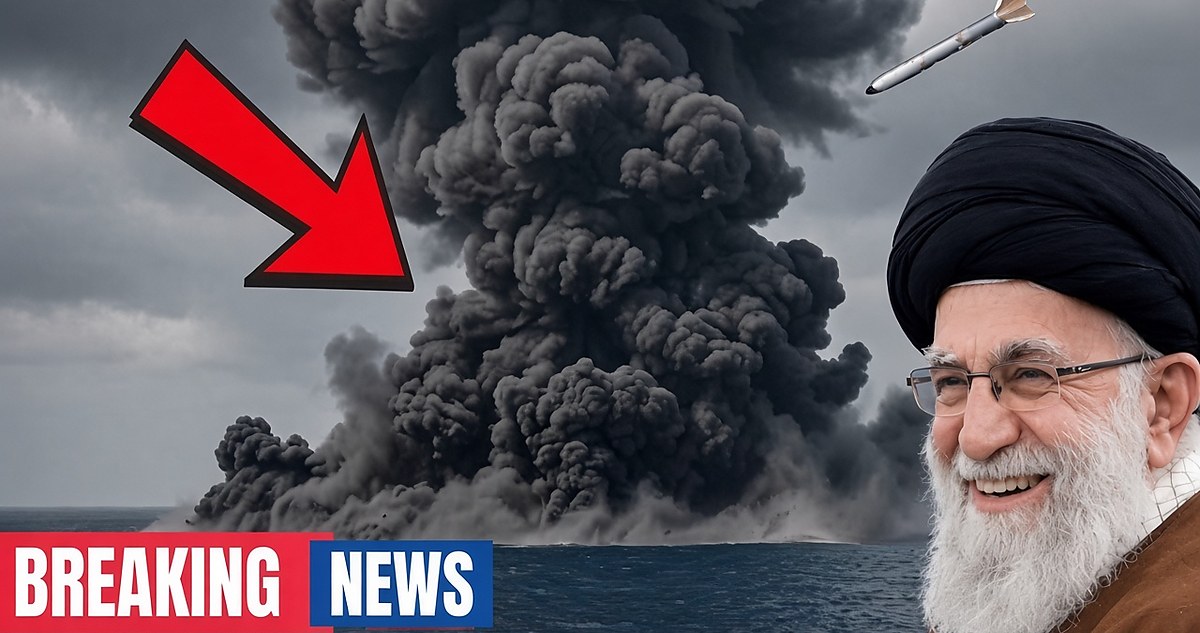
In the volatile waters of the Strait of Hormuz, a fictional confrontation illustrates the lethal speed and technological complexity of modern naval warfare. In this speculative scenario, an adversary attempts a coordinated ambush against a United States carrier strike group,
Deploying 32 anti-ship cruise missiles in an effort to overwhelm defenses. With nearly 5,000 personnel aboard the carrier and an estimated flight time
Of under four minutes to impact, the opening barrage seems designed for catastrophic success. Yet, within 32 minutes, the assault spirals into total tactical failure.
The engagement highlights the vital role of integrated, layered defense over mere offensive volume. Long before incoming threats enter visual range, the carrier strike group’s Aegis combat systems and advanced phased-array radars track the incoming projectiles. Working in seamless coordination, accompanying guided-missile destroyers launch waves of surface-to-air interceptors, systematically thinning the inbound salvo.
Simultaneously, a high-stakes invisible clash unfolds across the electromagnetic spectrum. Attempted jamming operations by the attackers are swiftly neutralized by allied electronic warfare suites, which spoof radar signatures, blind missile seekers, and maintain unbroken communications across the fleet. The few hostile warheads that survive long-range interception are neutralized at close range by automated kinetic weapons and active decoys.
Modern doctrine dictates that survival is merely the preliminary phase; immediate retaliation follows. Once incoming vectors are analyzed and launch sites triangulated, the response is devastating. Precision-guided Tomahawk cruise missiles, fired from submerged attack submarines and surface escorts, systematically dismantle hostile coastal batteries, mobile launchers, and command-and-control infrastructure deep inland.
The attacking force’s offensive capacity is effectively wiped out before their initial
telemetry can even confirm the intercept.
Though entirely hypothetical, this analysis emphasizes a crucial reality of 21st-century maritime conflict: the opening salvo rarely determines the outcome. Victory hinges on technological superiority, distributed defense networks, and rapid retaliatory precision. In critical global chokepoints, underestimating the resilience and integrated lethality of a modern naval formation guarantees swift and irreversible strategic collapse.