Our military must demand absolute loyalty to the United States and the Constitution above all else. When a service member openly declares they will refuse lawful orders based on their faith,
it undermines the very foundation of our armed forces and puts every
American at risk. Divided allegiances have no place in uniform.
This situation highlights a growing concern about prioritizing religious or cultural identities over the sacred oath to defend our nation. Service members swear to protect the country against all enemies, foreign and domestic, without exceptions or personal vetoes on missions.
Immediate discharge is not only justified but essential to maintain unit cohesion, discipline, and operational readiness. Our troops deserve leaders and comrades fully committed to America first, ensuring our military remains the strongest force for freedom in the world.
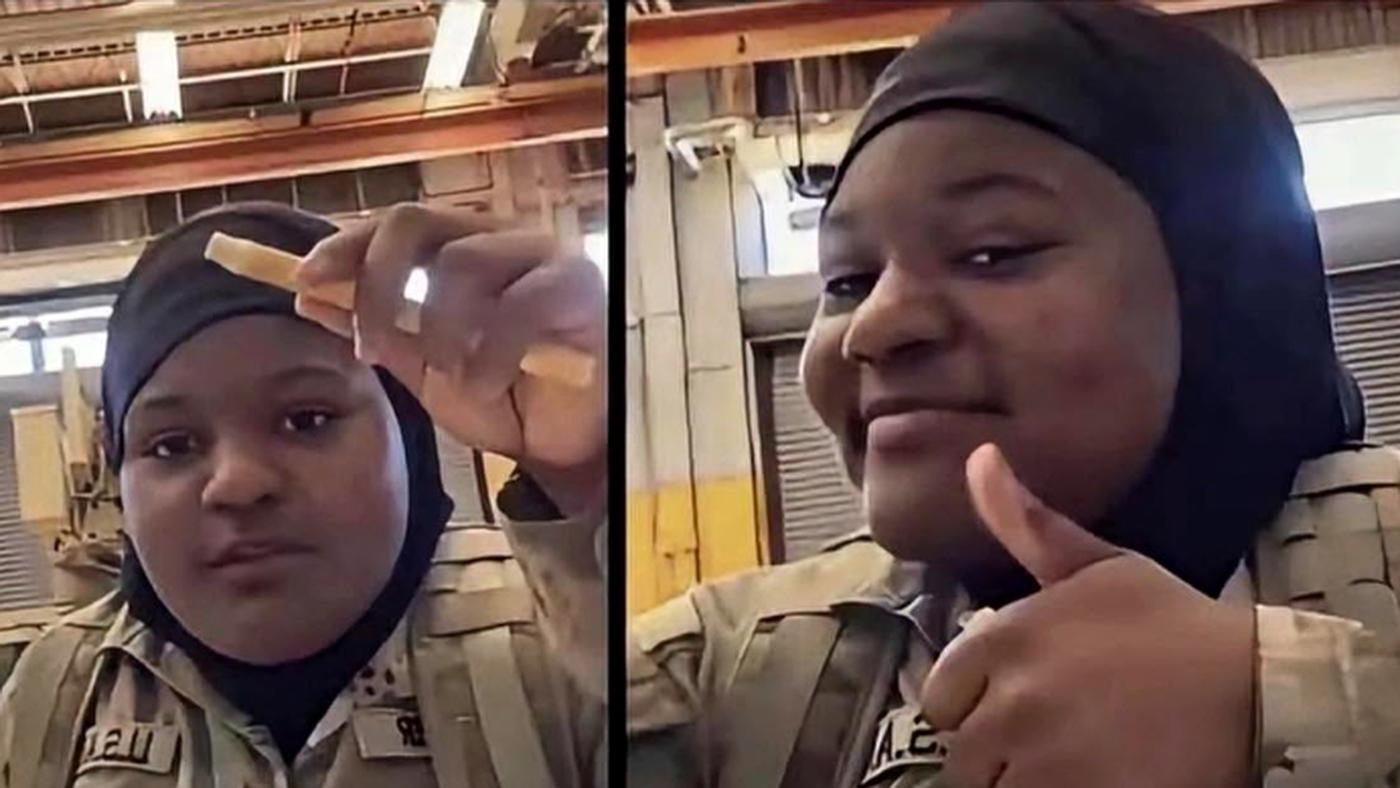
A social media post featuring a woman identified as a member of the military has generated heated discussion online after claims circulated that she would refuse certain orders if they targeted Muslims.
The post quickly drew strong reactions from commentators across the political spectrum. Some argued that military personnel must be prepared to follow all lawful orders regardless of personal beliefs, while others emphasized that service members are not required to obey unlawful orders and retain constitutional rights, including freedom of religion.
The controversy highlights a longstanding principle within the U.S. military: troops swear
an oath to support and defend the Constitution of the United States rather than pledge loyalty to any political party, religion, or individual leader. Military law requires personnel to obey lawful orders, while also recognizing that unlawful orders should not be carried out.
Critics of the individual featured in the post argue that publicly suggesting a refusal to follow lawful military directives could raise concerns about discipline, readiness, and unit cohesion. Supporters counter that the context of the alleged statement matters and that service members often face complex ethical and legal considerations during military operations.
Military experts note that decisions regarding discipline, discharge, or administrative action are typically based on verified facts, official investigations, and established regulations rather than social media claims. Without confirmed details surrounding the alleged remarks, conclusions about a service member’s conduct may be premature.
The debate has also drawn attention to broader questions about religious freedom within the armed forces. The military has long accommodated various religious practices while maintaining standards designed to ensure mission effectiveness and operational readiness.
As discussion continues online, observers caution against drawing definitive conclusions based solely on viral posts. Determining whether any military member violated regulations would ultimately depend on the facts of the case and any official findings by military authorities.