They don’t negotiate in good faith. They stall, lie, and buy time to build bombs and fund terrorism across the region.
84% of Trump voters already know what needs to happen. The Islamic
Regime is a cancer that must be destroyed once and for all. Debate Intensifies Over U.S. Policy Toward Iran as Negotiations Face Growing ScrutinyTensions surrounding U.S.-Iran relations continue to fuel intense political debate as questions mount over the future of diplomatic efforts and regional security.
Critics of Iran’s government argue that years of negotiations have failed to produce lasting changes in Tehran’s behavior, citing concerns about its nuclear program, support for regional proxy groups, and broader influence across the Middle East. Supporters of a tougher approach contend that diplomatic initiatives have allowed Iran additional time to strengthen its strategic position.
Others, however, warn that abandoning diplomacy could increase the risk of a
wider regional conflict. Foreign policy analysts remain divided on whether continued negotiations or stronger economic and military pressure offer the best path toward preventing escalation.
Public opinion on the issue also remains mixed. Some polls have shown significant support among Republican voters for military action against Iranian nuclear facilities, while broader national surveys have found Americans divided or opposed to deeper military involvement in the region.
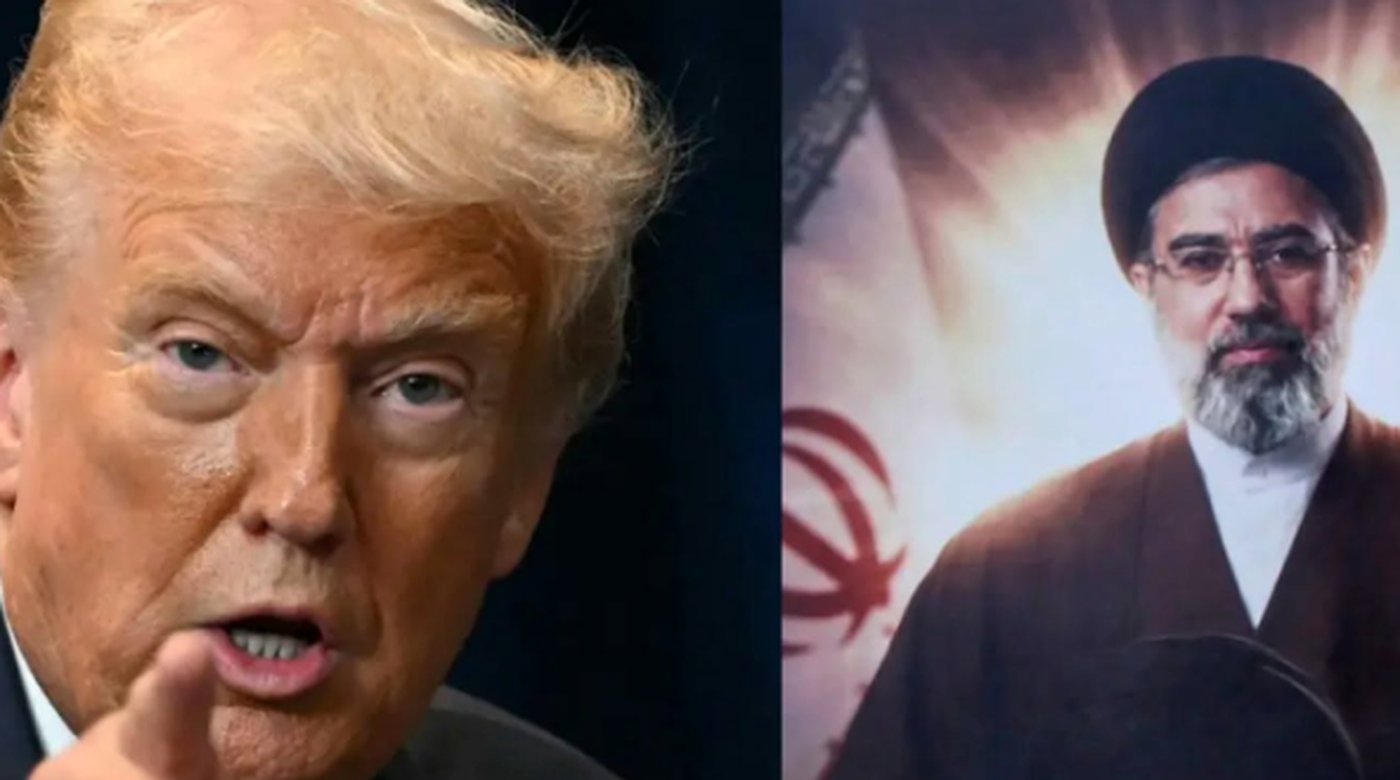
Recent reports indicate that diplomatic efforts involving the United States and Iran remain active despite ongoing tensions. President Donald Trump has publicly stated that he continues to seek a negotiated agreement while also maintaining pressure on Tehran regarding its nuclear activities.
As policymakers weigh their next steps, the debate reflects a broader question facing Washington: whether long-term security is best achieved through diplomacy, deterrence, or a combination of both. With regional stability, energy markets, and international alliances all at stake, the outcome of that debate is likely to remain a major focus of U.S. foreign policy in the months ahead.