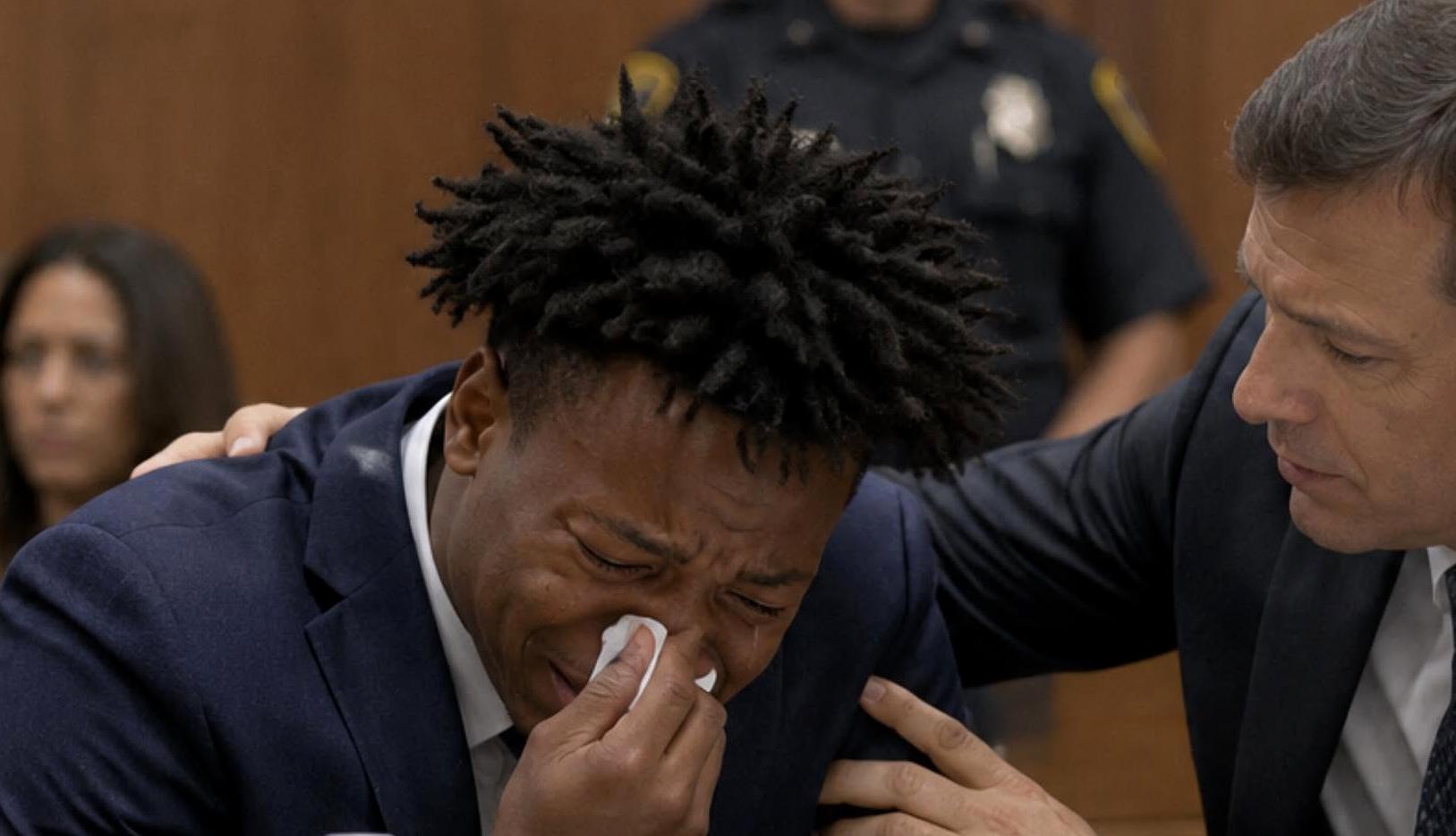
A jury has found Karmelo Anthony guilty of murder following a trial that centered on whether the fatal incident was an act of self-defense or a criminal homicide.
According to courtroom reports, jurors deliberated for approximately three hours before rejecting
the defense’s self-defense argument and returning a guilty verdict. The decision marks a significant milestone in a case that has drawn considerable public attention and emotional reactions from both the victim’s family and supporters of the defendant.
With the verdict delivered, the proceedings now move into the sentencing phase. Under the court’s process, the same jury that determined Anthony’s guilt will also weigh the appropriate punishment. Jurors are expected to consider evidence, legal guidelines, and arguments from both prosecutors and defense attorneys before recommending a sentence.
The case has highlighted the tragic consequences of violent confrontations involving young people. One family continues to mourn the loss of a loved one, while another faces the reality of a lengthy prison sentence that could dramatically alter a young man’s future.
Legal experts note that sentencing decisions often involve multiple factors, including the
circumstances of the crime, the defendant’s background, victim impact statements, and statutory sentencing requirements. The final outcome could range from a substantial prison term to a life sentence, depending on the laws governing the case and the jury’s findings.
As the sentencing phase unfolds, both families and community members await a decision that will bring the judicial process one step closer to its conclusion.
**Source/Credit:** Court proceedings, public records, and media reports regarding the murder trial of Karmelo Anthony. All defendants are presumed innocent until proven guilty in a court of law; sentencing decisions remain subject to judicial proceedings.