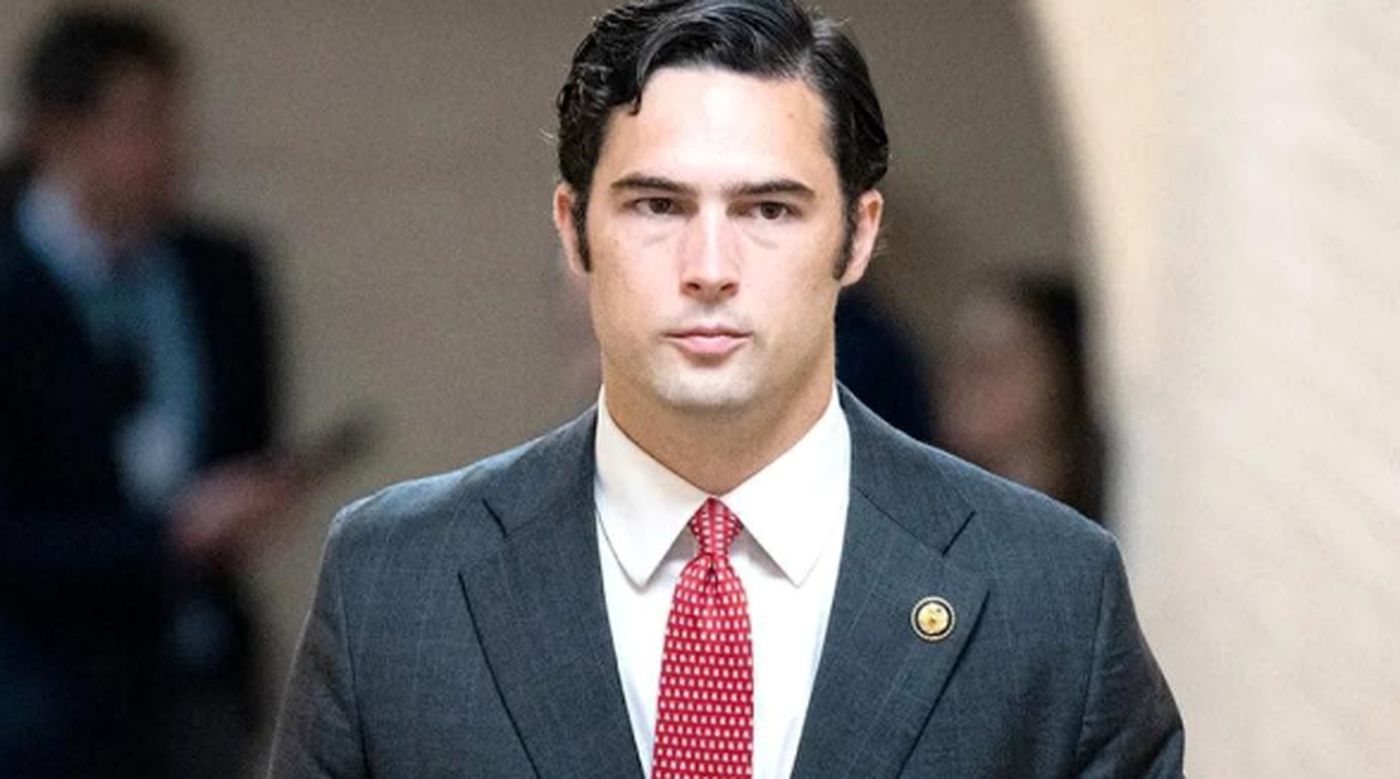
Congressman Brandon Gill is making a point about what a specific set of policies might mean for Texas communities. He’s stating where he stands.
This set of policies could have real effects on communities, and those
are worth discussing. What people might experience in their own towns and cities is worth acknowledging.
These are things being weighed in 2026. Raising them is a legitimate part of democratic representation.
Texas Congressman Brandon Gill is drawing attention after making comments about immigration, cultural change, and the future of Texas communities. His remarks have generated both support and criticism as debates over immigration policy continue to play a central role in American politics.
Gill argued that large-scale immigration can have significant effects on local communities and expressed concerns about preserving the cultural identity of American cities and towns. Supporters say his comments reflect concerns shared by many voters who believe border security and immigration enforcement should be strengthened.
Critics, however, contend that the congressman’s remarks unfairly generalize immigrant communities and risk fueling division. They argue that immigrants from a wide range of backgrounds have long contributed to Texas’s economy, culture, and growth.
The controversy comes as immigration remains one of the most prominent issues
facing voters ahead of upcoming elections. Discussions surrounding border security, legal immigration, assimilation, workforce needs, and public safety continue to shape political campaigns across the country.
Political analysts note that debates over immigration often reflect broader concerns about economic opportunity, national identity, and the role of government in managing population growth. While opinions differ sharply, the issue remains a powerful force in both state and national politics.
For supporters of Gill, his comments represent a willingness to address concerns they feel are ignored by political leaders. For opponents, the remarks highlight the importance of ensuring immigration debates remain focused on policy rather than cultural or religious stereotypes.
As the conversation continues, voters will ultimately decide how these issues influence future elections and the direction of public policy in Texas and across the United States