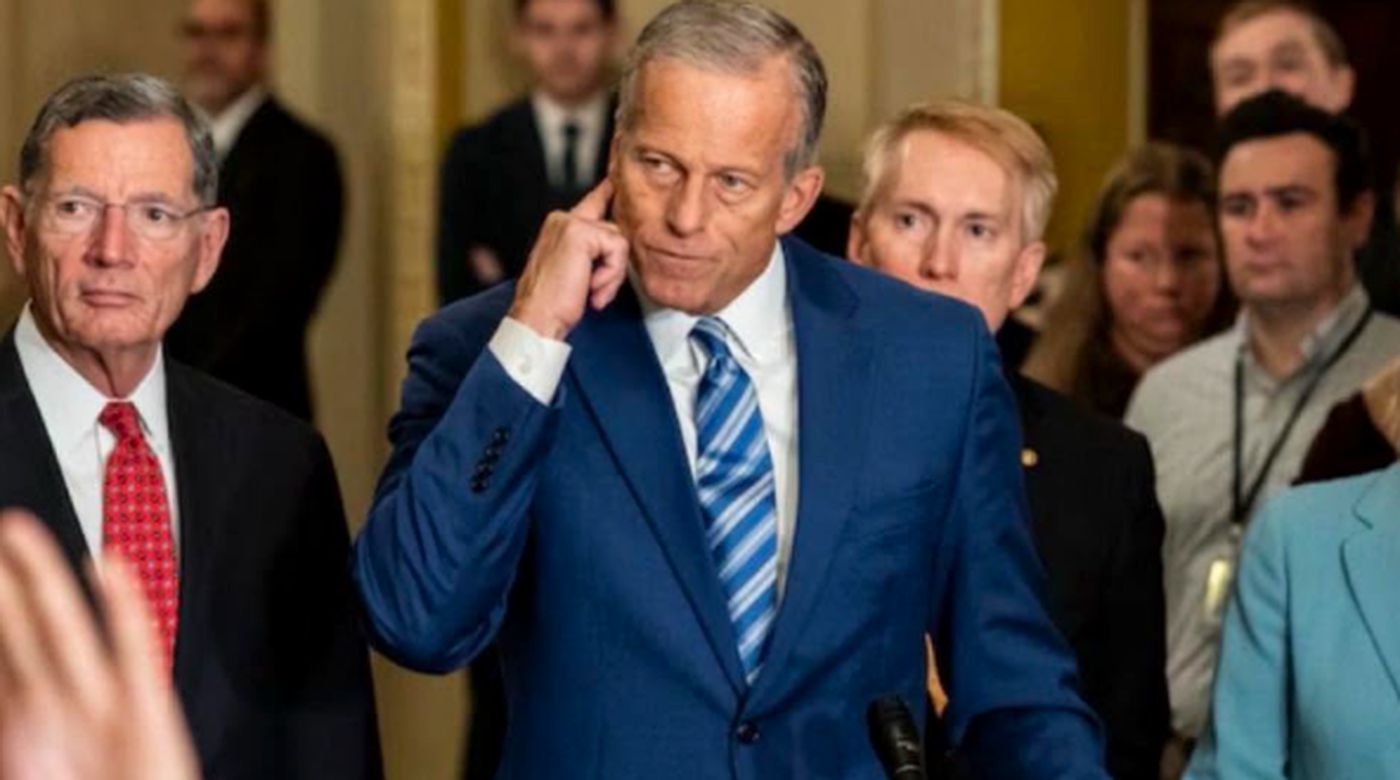
The Senate’s refusal to even schedule a vote on stopping $40 million a week from flowing to the Taliban is outrageous. American taxpayers should not be forced to bankroll terrorists who threaten our security and the stability of the region. This bill is common sense—defund our enemies, not empower them.
Why would any senator stand in the way of protecting our nation?
It raises serious questions about priorities in Washington, where political games often trump the safety of our citizens and allies. We deserve leaders who put America first, not those who hesitate when it comes to cutting off funding for radical Islamists.
Our country must demand accountability now. Contact your senators and insist they support efforts to halt this wasteful and dangerous spending. The American people are watching, and we will not tolerate weakness in the face of threats A growing debate in Washington is focusing on U.S. aid flowing into Afghanistan and whether existing safeguards are sufficient to prevent resources from benefiting the Taliban. Several lawmakers have expressed concern that humanitarian assistance and international funding programs could indirectly benefit the Taliban-controlled government, prompting calls for stricter oversight and accountability.
Supporters of proposed legislation argue that American taxpayer dollars should never reach terrorist organizations, either directly or indirectly. They contend that Congress has a responsibility to ensure that aid programs are carefully monitored and that any loopholes that could benefit the Taliban are closed.
Others caution that much of the funding in question is intended for
humanitarian relief efforts administered through international organizations and non-governmental groups. They argue that millions of Afghan civilians continue to face severe economic hardship, food insecurity, and health challenges, making humanitarian assistance an important component of international policy.
The issue has become increasingly political, with lawmakers debating how to balance national security concerns with humanitarian obligations. Critics of current policies believe stronger measures are needed to guarantee that aid does not strengthen Taliban influence, while supporters of continued assistance stress the importance of helping vulnerable civilians without legitimizing the regime.
As Congress continues to examine the matter, questions remain about what reforms, if any, will gain enough support to move forward. The discussion highlights the broader challenge of delivering humanitarian aid in regions controlled by governments that the United States does not recognize or support.
Whatever position lawmakers take, the debate reflects ongoing concerns about national security, taxpayer accountability, and America’s role in responding to humanitarian crises abroad.