Newsom Blows Up As Fraud Probe Heats Up
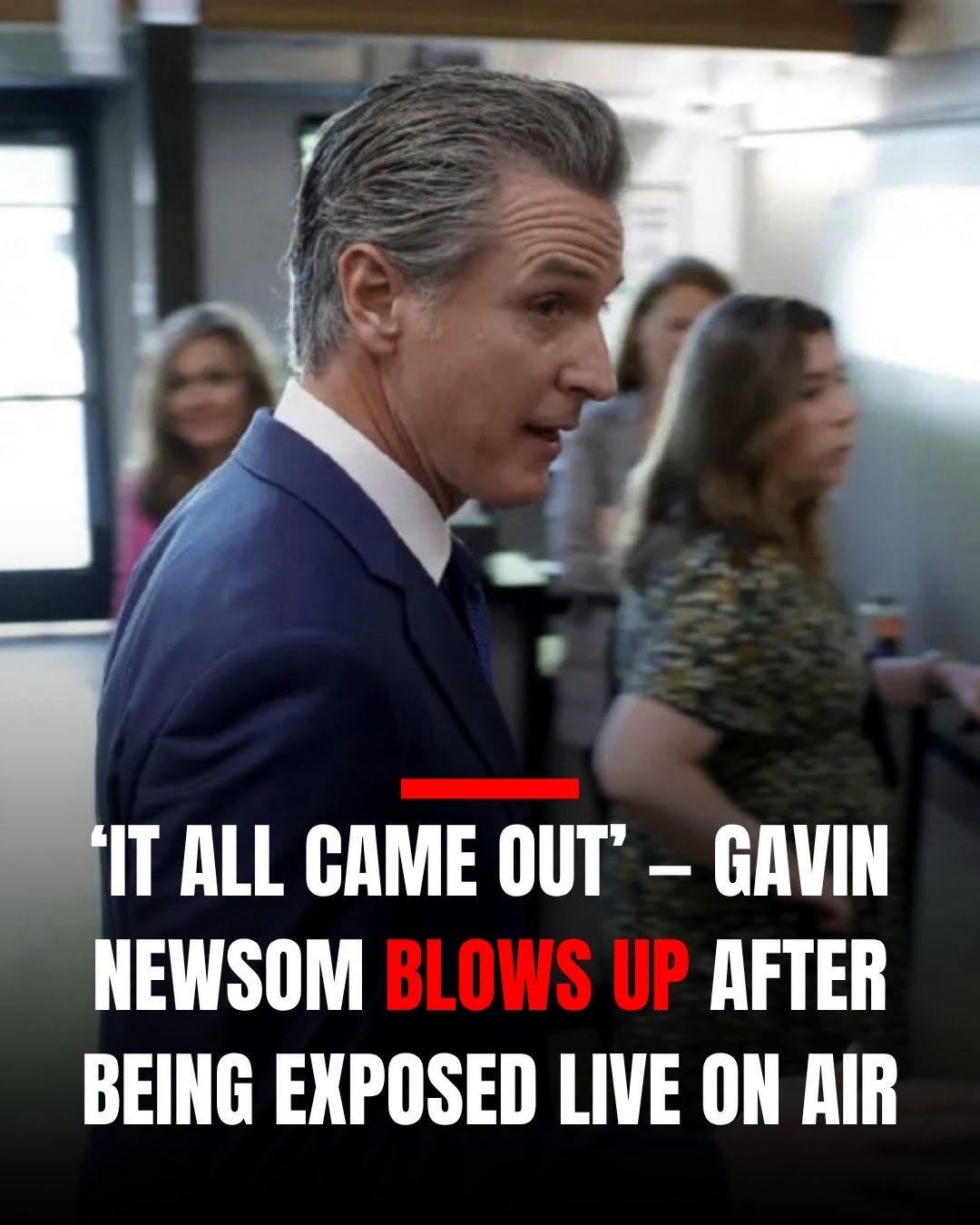
California Governor Gavin Newsom is facing growing scrutiny over his extensive use of “behested payments” as new federal investigations into both the governor and First Partner Jennifer Siebel Newsom continue to draw attention.
The controversy centers on hundreds of millions of dollars Newsom has solicited
from corporations, wealthy donors, special interests, and organizations with business before the state of California.
While the practice is legal under California law, critics argue it has created a massive influence-peddling loophole that allows powerful interests to curry favor with elected officials outside traditional campaign finance restrictions.
According to state disclosure records reviewed by multiple news outlets, Newsom has reported more than $347 million in behested payments since 2011.
That figure is not only unprecedented among California politicians, it accounts for more than 62 percent of all behested payments reported by California elected officials over the last fifteen years.
Data from the California Fair Political Practices Commission shows California politicians collectively steered roughly $556 million toward charities and causes between 2011 and 2026.
Newsom alone accounted for nearly two-thirds of that total.
The scale of the fundraising operation has stunned even longtime observers of California politics.
“There’s no question that Newsom has used this privilege far more frequently than other elected officials,” political strategist Dan Schnur told the Orange County Register.
By comparison, former Governor Jerry Brown reportedly solicited roughly $35 million in behested payments during his tenure, a fraction of Newsom’s total.
The issue has become even more controversial because millions of dollars flowed to organizations tied directly to Newsom’s wife.
Records indicate approximately $4.8 million in behested donations have gone to the California Partners Project, a nonprofit organization co-founded by Jennifer Siebel Newsom.
Critics argue that arrangement creates at minimum the appearance of a conflict of interest.
Sean McMorris of California Common Cause described behested payments as “ripe for abuse,” noting that politicians can effectively direct money in ways that would otherwise be prohibited under campaign finance laws.
“The public is not stupid,” McMorris said. “There’s a reason why these politicians primarily reach out only to people, entities and special interests who typically have interests before them.”
Questions have intensified because several large donors later benefited from state actions, contracts, or policy decisions.
Blue Shield donated $20 million to Newsom-backed initiatives during the pandemic.
Months later, the company received a no-bid state contract connected to California’s vaccine distribution efforts.
Kaiser Foundation contributed nearly $10 million before later receiving a major role in California’s Medi-Cal system.
The Federated Indians of Graton Rancheria donated millions to organizations associated with the governor and his wife’s initiatives while simultaneously benefiting from favorable state decisions involving tribal gaming disputes.
Critics stress that proving an explicit quid pro quo is difficult and often unnecessary.
The concern, they argue, is that the entire system creates incentives for powerful interests to remain in the good graces of elected officials.
Assemblyman David Tangipa recently described the practice as a vehicle for “political influence peddling.”
“While something may be legal, we all know that it’s wrong,” Tangipa said.
The controversy comes at a particularly difficult time for Newsom.
The governor recently acknowledged that he and his wife are the subjects of multiple federal investigations, though details remain limited.
At the same time, Newsom agreed to pay a $31,500 ethics fine related to the late disclosure of certain behested payments.
While supporters argue the funds often support worthwhile causes such as wildfire recovery, education programs, healthcare initiatives, workforce development, and disaster relief, critics counter that the charitable destination does not eliminate the underlying ethical concerns.
The core question remains straightforward. Why should politicians be allowed to solicit unlimited donations from corporations, special interests, and individuals who have business before the government they control?
That question becomes even more pressing when some of those donations ultimately flow to organizations connected to the politician’s own family.
For years, behested payments operated largely in the shadows of California politics.
Now they are becoming a central part of a broader debate about influence, transparency, and whether the state’s most powerful elected officials have been playing by a different set of rules.