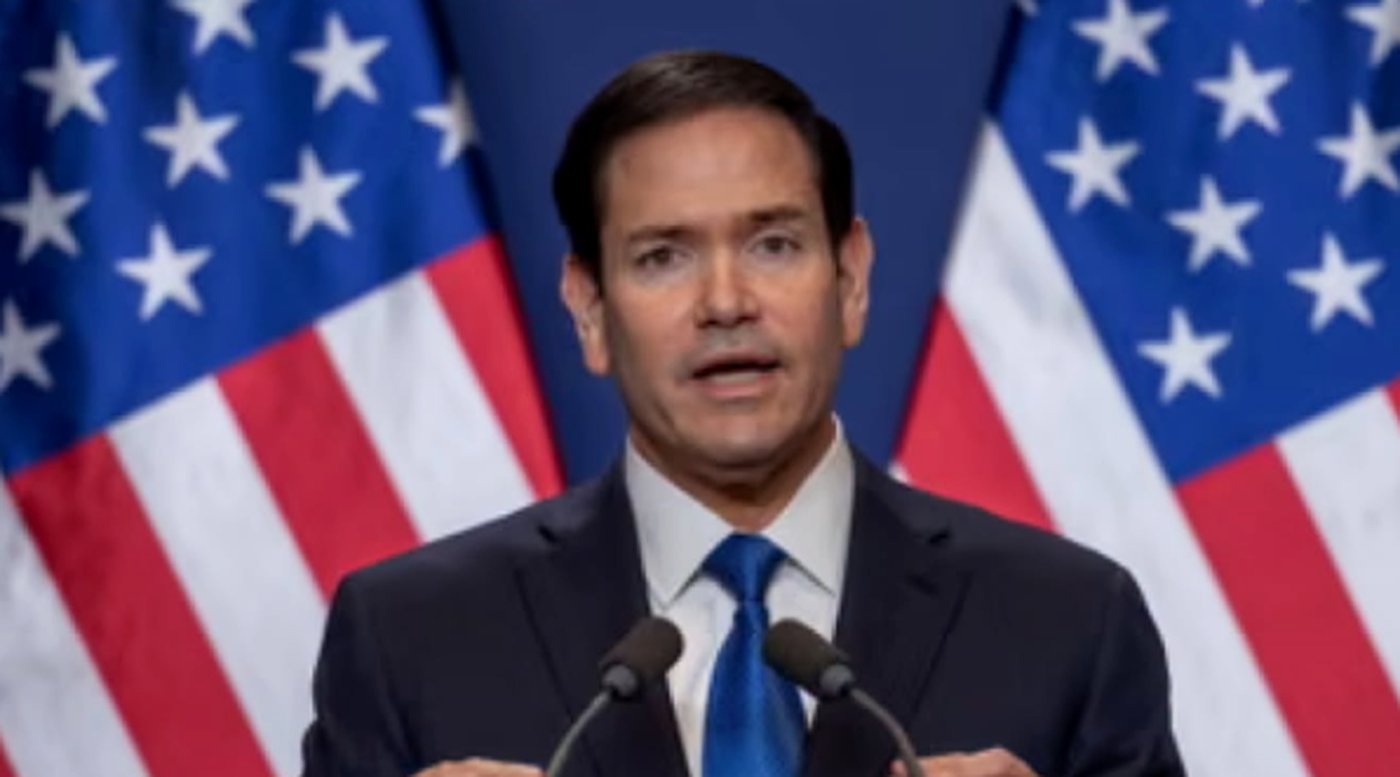
Secretary of State Marco Rubio has reiterated the United States’ position that international waterways such as the Strait of Hormuz must remain open to global commerce and free from coercion, warning against any attempts to disrupt maritime trade.
The Strait of Hormuz is one of the world’s most strategically important
shipping routes, with a significant share of global oil and energy supplies passing through the narrow waterway connecting the Persian Gulf to the Gulf of Oman. Any disruption to traffic in the region could have major consequences for international markets, energy prices, and global economic stability.
Rubio emphasized that freedom of navigation remains a longstanding U.S. foreign policy priority and that the United States will continue working with international partners to safeguard commercial shipping and regional security.
His comments come amid ongoing tensions between Iran and Western nations over security concerns, regional influence, and maritime operations in the Middle East. In recent years, several incidents involving commercial vessels have heightened concerns about the vulnerability of key shipping lanes.
Supporters of a tougher U.S. stance argue that strong deterrence is necessary to prevent disruptions that could threaten allies and global supply chains. Others advocate for a balanced approach that combines diplomatic engagement with security measures to reduce the risk of escalation.
The debate also reflects broader differences in foreign policy strategies between administrations.
Critics of previous approaches have argued that diplomatic efforts were insufficient to curb Iranian influence, while supporters contend that negotiations remain an essential tool for preventing wider conflict.
As tensions continue to evolve, officials say maintaining open international waterways will remain a critical component of U.S. policy in the region. Analysts note that the stability of the Strait of Hormuz will continue to influence global energy markets and international relations for years to come.
**Source/Credit:** Public statements from U.S. officials, international reporting, and ongoing coverage of maritime security and Middle East diplomacy.