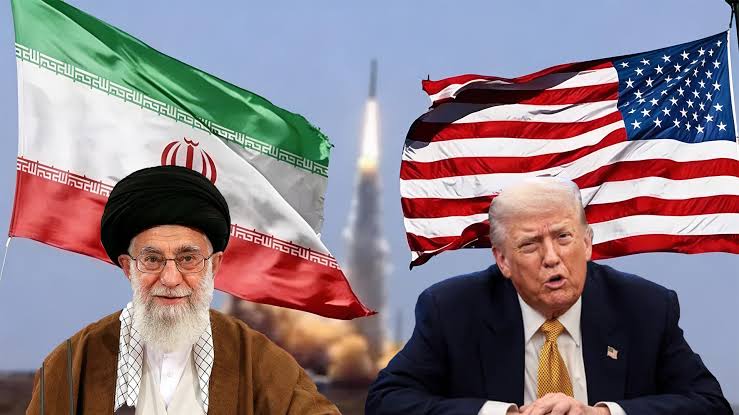
U.S. policy toward Iran remains a central issue in American foreign policy, with lawmakers and national security experts continuing to debate how best to respond to Tehran’s regional activities and support for armed groups.
For decades, the United States has designated Iran’s Islamic Revolutionary Guard Corps
(IRGC) as a terrorist organization and has accused the Iranian government of supporting militant groups, including Hezbollah and Hamas. U.S. officials have also linked Iran-backed groups to attacks on American personnel and allies throughout the Middle East, allegations that Iran has frequently denied.
Supporters of a more assertive approach argue that the United States should maintain strong military deterrence, expand sanctions, and work closely with regional partners to counter Iran’s influence. They contend that sustained pressure is necessary to discourage further attacks and protect American interests abroad.
Others advocate combining deterrence with diplomacy, arguing that negotiations and international coordination can help reduce regional tensions while limiting the risk of a broader conflict. They maintain that long-term stability will require both security measures and diplomatic engagement.
The discussion has intensified amid ongoing instability in the Middle East, where
conflicts involving Iran-backed groups continue to affect regional security and international shipping. Analysts say future U.S. policy will likely balance military readiness, economic sanctions, and diplomatic efforts as Washington seeks to address evolving threats.
As tensions persist, the debate over how to confront Iran’s regional activities remains one of the most significant foreign policy challenges facing U.S. leaders.