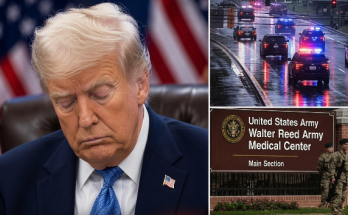
In an age defined by instant communication, viral headlines, and relentless public scrutiny, leadership is often measured by visibility. Politicians, executives, and public officials are expected to maintain a constant presence across television screens, social media feeds, and news cycles. Every statement is analyzed, every decision is debated, and every moment is subject to public interpretation.
Yet some of the most effective leadership in history has operated differently.
Rather than seeking attention, these leaders built trust through consistency. Instead of dominating headlines, they focused on institutions. Rather than relying on charisma alone, they cultivated credibility through competence and results.
This approach can be described as the architecture of quiet authority—a form of leadership rooted not in spectacle, but in stability.
As societies become increasingly connected and information travels faster than ever before, understanding the value of quiet authority may be more important than at any point in modern history.
What Is Quiet Authority? Quiet authority is the ability to lead effectively without constantly demanding attention.
It does not mean silence.
It does not mean passivity.
Nor does it suggest a lack of confidence.
Instead, quiet authority emerges when individuals earn trust through their actions rather than their volume.
Leaders who possess quiet authority often display characteristics such as:
Consistency
Reliability
Professionalism
Emotional discipline
Institutional respect
Strategic communication
They understand that leadership is not always about being the loudest voice in the room.
Sometimes it is about being the most dependable.
The Modern Pressure to Be Visible Technology has fundamentally changed public expectations.
Social media platforms reward immediacy.
News cycles operate around the clock.
Public figures are expected to respond instantly to developments.
As a result, visibility is often mistaken for effectiveness.
Many leaders feel pressure to:
Comment on every issue
React to every controversy
Maintain a constant online presence
Demonstrate activity through public appearances
While transparency remains important, excessive visibility can create unintended consequences.
Constant communication may dilute important messages.
Frequent reactions can create inconsistency.
And a focus on appearance can distract from actual governance.
Why Quiet Authority Matters Trust is one of the most valuable assets any institution can possess.
Whether in government, business, education, or community leadership, trust forms the foundation upon which effective decision-making depends.
Quiet authority contributes to trust in several ways.
Predictability People tend to trust leaders whose behavior is consistent.
Predictability reduces uncertainty and creates confidence.
Stability In times of crisis, steady leadership often proves more reassuring than emotional reactions.
Credibility When leaders speak selectively and thoughtfully, their words often carry greater weight.
Institutional Strength Quiet authority focuses attention on systems and processes rather than personalities.
This helps organizations endure beyond individual leaders.
The Difference Between Authority and Attention Modern culture often confuses authority with attention.
The two are not the same.
Attention can be generated quickly.
Authority must be earned.
Attention may come from controversy.
Authority typically comes from competence.
Attention can disappear overnight.
Authority tends to endure.
Some individuals command enormous public attention while possessing limited influence.
Others exercise significant influence despite maintaining relatively low public profiles.
The distinction is important because sustainable leadership depends on authority, not merely visibility.
Historical Examples of Quiet Leadership History offers numerous examples of leaders who relied more on substance than spectacle.
While styles varied, many shared common traits.
They focused on:
Long-term planning
Institutional development
Careful communication
Strategic decision-making
Rather than chasing popularity, they concentrated on governance.
Transparency
Calm decision-making
Consistent messaging
Research frequently shows that people respond positively to leaders who project competence and stability during uncertain times.
Challenges Facing Quiet Leaders While quiet authority offers many advantages, it is not without challenges.
Modern media environments often reward visibility.
Quiet leaders may face criticism for appearing insufficiently active even when they are working effectively behind the scenes.
Common challenges include:
Media Competition Louder voices often dominate headlines.
Public Expectations Audiences increasingly expect constant updates.
Political Incentives Short-term visibility can provide immediate advantages.
Misinterpretation Restraint may be mistaken for weakness.
Navigating these pressures requires confidence and discipline.
Building Quiet Authority Quiet authority is not reserved for presidents, governors, or CEOs.
Anyone can cultivate it.
Key practices include:
Keep Commitments Reliability builds credibility.
Listen Before Speaking Understanding often improves decision-making.
Focus on Results Outcomes matter more than appearances.
Remain Consistent Consistency fosters trust.
Communicate Thoughtfully Purposeful communication strengthens authority.
Support Institutions Strong systems benefit everyone.
Over time, these habits contribute to lasting influence.
Why Society Still Needs Quiet Authority As information becomes increasingly abundant, discernment becomes more valuable.
As attention becomes more fragmented, credibility becomes more important.
As public discourse grows louder, thoughtful leadership becomes increasingly rare.
Quiet authority offers an alternative model.
It suggests that leadership does not require constant performance.
It proposes that trust can be built through competence rather than spectacle.
And it reminds us that institutions often matter more than personalities.
The Future of Leadership The future will undoubtedly bring new technologies, new communication platforms, and new challenges.
Yet some principles remain timeless.
People continue to value:
Integrity
Reliability
Competence
Fairness
These qualities form the foundation of quiet authority.
Regardless of changing circumstances, leaders who embody them are likely to remain effective.
The tools may evolve.
The expectations may shift.
But trust will always matter.
Final Thoughts The architecture of quiet authority offers an important lesson for modern governance and public life.
In a world increasingly driven by visibility, influence is often confused with attention. Yet true authority emerges from something deeper: consistency, credibility, and commitment to institutions.
The most effective leaders are not always the most visible.
They are often the ones who inspire confidence through their actions, earn trust through their reliability, and strengthen the systems that allow societies to function.
As citizens, employees, voters, and community members, recognizing the value of quiet authority may help us better understand what effective leadership truly looks like.
Because while headlines fade and public attention shifts, trust remains one of the most enduring forms of power.
And trust, more often than not, is built quietly.