The U.S. Supreme Court on Tuesday delivered a landmark victory for American companies and constitutional limits on judicial power.
Key Ruling
The nation’s highest court ruled 6-3 in Cisco Systems, Inc. v. Doe
(24-856) that neither the Alien Tort Statute (ATS) nor the Torture Victim Protection Act (TVPA) allows private plaintiffs to sue for aiding and abetting alleged violations of international law.
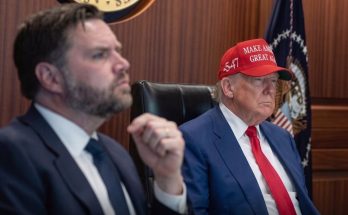
The ruling bolsters the Trump administration’s America First agenda by restoring proper roles: Congress and the executive handle foreign policy and create remedies when needed, while courts stick to enforcing enacted law.
It protects U.S. technological leadership, deters forum-shopping by overseas claimants, and reaffirms that the Constitution does not empower judges to conduct foreign relations through private lawsuits.
Impact on Businesses
In an age of global competition and aggressive adversaries like Communist China, this is a commonsense defense of American sovereignty and enterprise.
The decision slams the door on expansive, judge-made lawsuits that have long threatened U.S. businesses operating abroad.
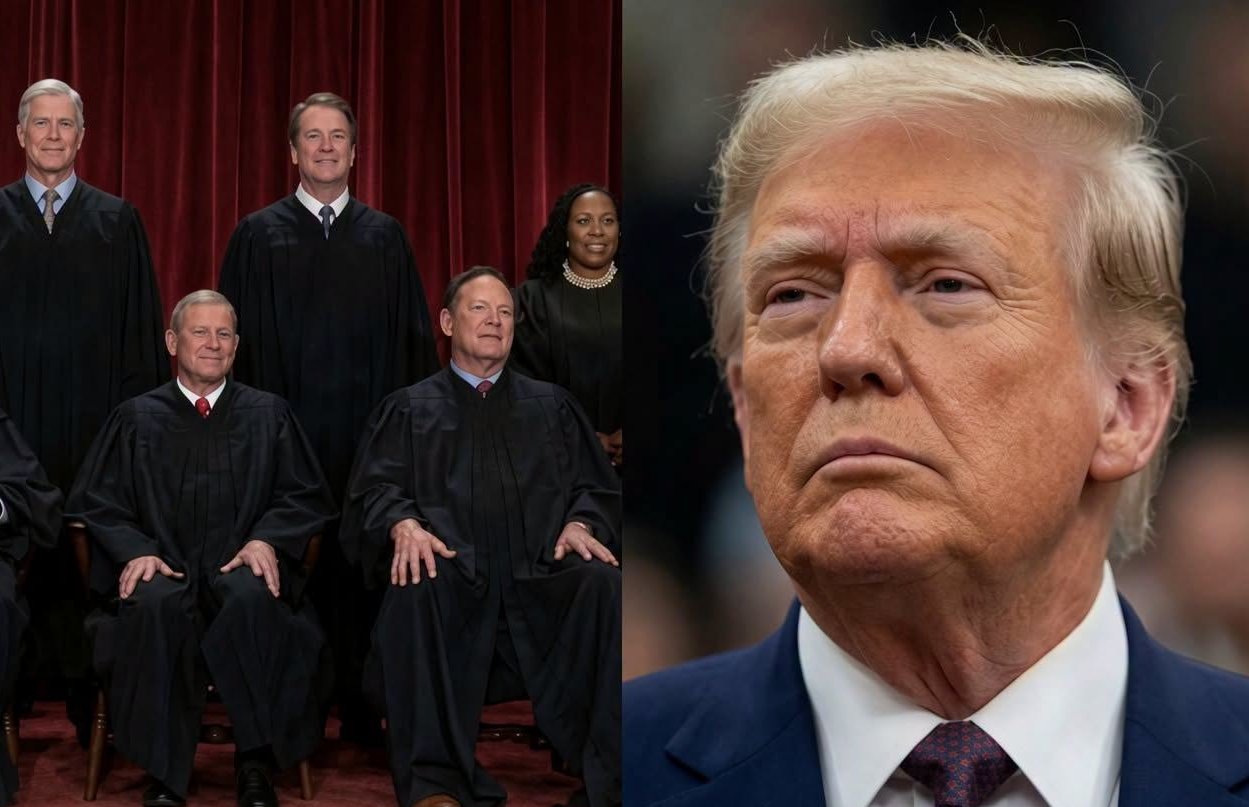
Justice Amy Coney Barrett authored the majority opinion, joined by Chief Justice John Roberts and Justices Clarence Thomas, Samuel Alito, Neil Gorsuch, and Brett Kavanaugh.
“Today, we close the door that Sosa cracked and hold that courts may not create new causes of action for violations of international norms,” Barrett wrote.
Case Background
The case involved claims by unnamed Falun Gong practitioners alleging Cisco Systems and its executives aided Chinese government persecution by selling networking equipment used in surveillance.
The Ninth Circuit had allowed the claims to proceed, but the Supreme Court reversed.
Majority Opinion
The Trump administration strongly supported taking the case and backed Cisco.
The Solicitor General participated in oral argument, urging the Court to reject judicial overreach that exposes American firms to unpredictable foreign-policy litigation.
Implications
This aligned with the administration’s goals of protecting U.S. innovation, preventing lawfare
against American companies, and avoiding judicial interference in foreign relations best handled by the executive and legislative branches.
Barrett emphasized separation of powers: “The power to create causes of action belongs to Congress… Creating any cause of action ‘is an extraordinary act that places great stress on the separation of powers.’”
She noted the ATS is jurisdictional only and warned against courts inventing liability that risks “adverse foreign policy consequences.”
Dissenting Opinions
Justice Ketanji Brown Jackson concurred in part and dissented in part, joined by Justice Elena Kagan.
She agreed on narrowing the ATS but argued the TVPA’s text could encompass aiding and abetting in some cases.
This decision represents a major conservative triumph for textualism, originalism, and restraint.
By ending the era of judicially invented ATS claims and rejecting implied aiding-and-abetting liability under the TVPA, the Court prevents activist plaintiffs and foreign interests from weaponizing U.S. courts against American companies.