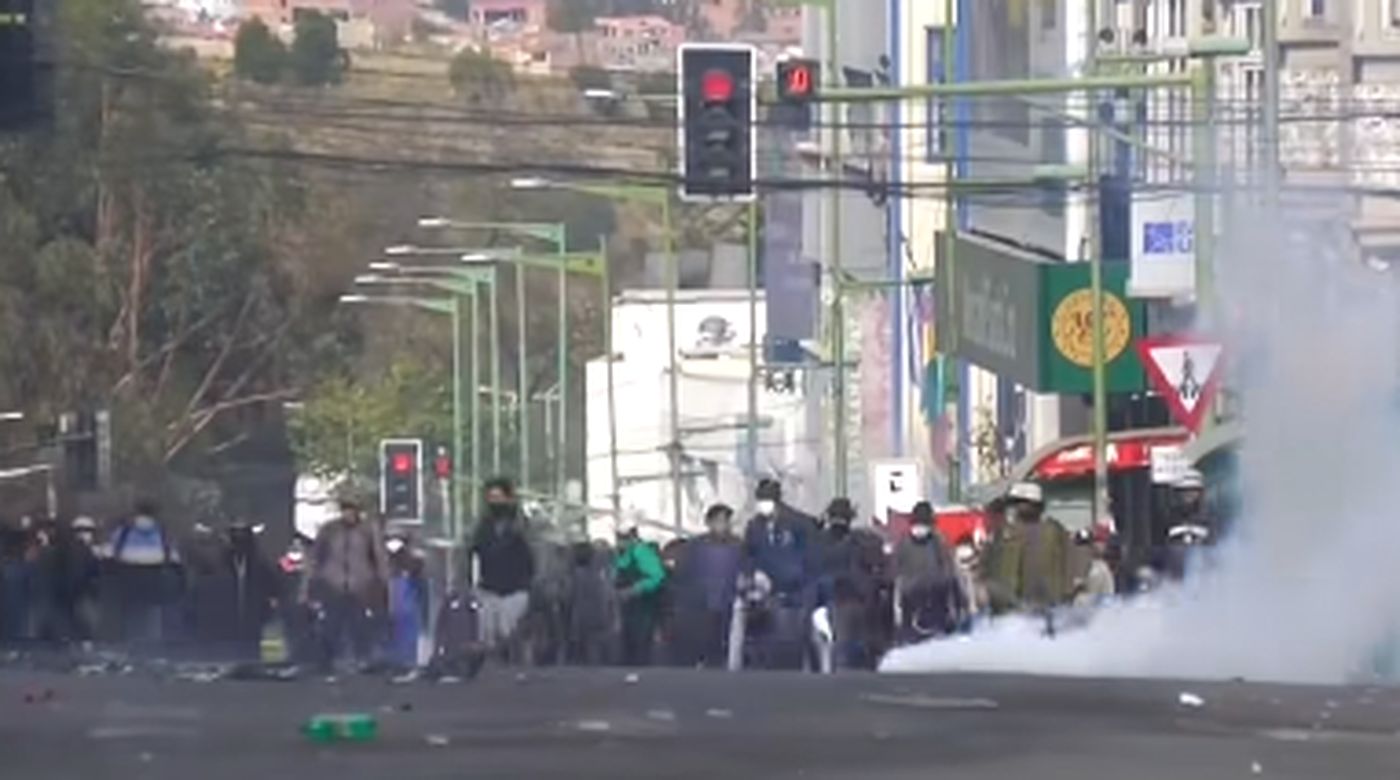
Bolivians voted to end 20 years of socialist MAS rule and chose Christian capitalist Rodrigo Paz in a free election. But instead of accepting the will of the people, Evo Morales loyalists and union-backed mobs are trying to choke the country with roadblocks, shortages, and chaos.
This is the Left’s global playbook: when they lose at the ballot
box, they try to steal power in the streets. Fuel, food, medicine, and hospital oxygen are being blocked while innocent people pay the price, all because the socialist machine refuses to give up control. America cannot ignore what is happening in our own hemisphere. President Trump and Secretary Rubio are standing with Bolivia’s freely elected government,
while hostile foreign influences and the global Left try to drag the region back into instability. Bolivia chose freedom, and that choice must be defended. **LA PAZ, Bolivia** — Bolivia is facing a deepening political crisis as nationwide protests and road blockades continue to disrupt transportation networks, fuel supplies, and access to essential goods, placing increasing pressure on the country’s newly elected government.
The unrest comes just months after President Rodrigo Paz took office following a closely watched election that marked a significant political shift for Bolivia. Paz’s victory ended nearly two decades of dominance by the Movement Toward Socialism (MAS), the political movement associated with former President Evo Morales. Since the election, supporters of Morales, labor unions, and social organizations have organized demonstrations and roadblocks in several regions of the country. Protest leaders argue that they are defending workers’ rights and opposing economic policies they believe will negatively affect ordinary Bolivians.
Government officials, however, say the blockades have severely disrupted daily life. Authorities
report that transportation delays have contributed to shortages of fuel, food, and medical supplies in some areas. Hospitals in several regions have warned about supply challenges, while businesses have reported significant economic losses as freight traffic remains restricted. President Paz has called for dialogue and urged protesters to allow the movement of essential goods and emergency services.
His administration has stated that maintaining public order while protecting democratic freedoms remains a top priority. The political tensions have also attracted international attention. The United States has expressed support for Bolivia’s democratic institutions and constitutional process. U. S. officials have emphasized the importance of political stability and peaceful dialogue as the country works through its challenges.
Political analysts say the current situation represents one of the first major tests for the Paz administration. The outcome could shape Bolivia’s political landscape for years to come as the government seeks to address economic concerns while navigating a deeply divided political environment. For many Bolivians, the immediate concern is less about political ideology and more about the practical impact of the crisis on everyday life.
As negotiations continue and demonstrations persist, citizens across the country are watching closely to see whether leaders on all sides can reach a peaceful resolution. **Source/Credit:** Based on reporting from international news organizations, government statements, and public reporting regarding ongoing political developments in Bolivia. Published for informational and educational purposes.