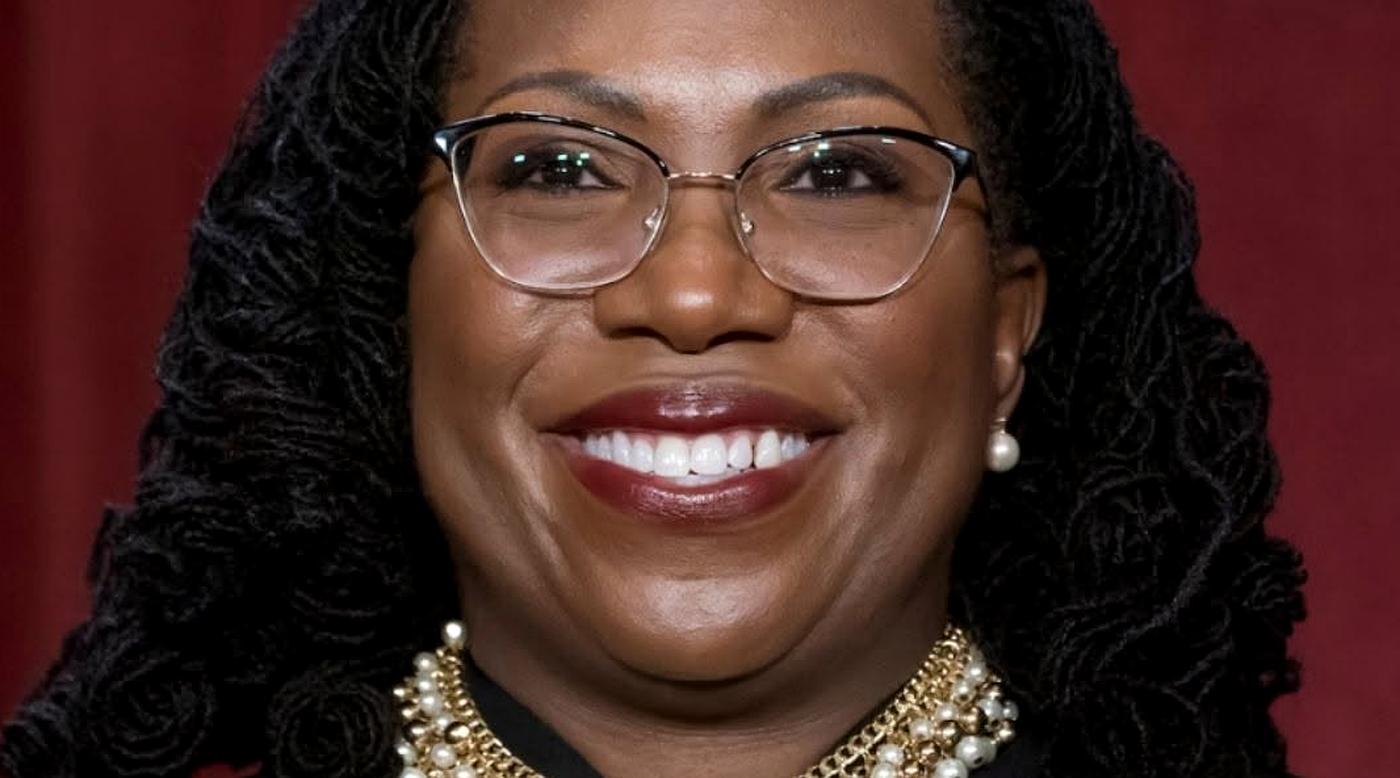
Recent online discussions have reignited debate surrounding U.S. Supreme Court Justice Ketanji Brown Jackson and the role diversity initiatives play in high-profile government appointments.
The conversation follows renewed criticism from some political commentators who argue that
diversity, equity, and inclusion (DEI) considerations influenced Jackson’s nomination to the nation’s highest court. Supporters of the justice strongly reject that characterization, pointing to her extensive legal experience, academic credentials, and years of service in the federal judiciary.
Jackson, who became the first Black woman to serve on the Supreme Court, previously worked as a federal public defender, vice chair of the U.S. Sentencing Commission, a federal district judge, and later a judge on the U.S. Court of Appeals for the District of Columbia Circuit before joining the Supreme Court.
Critics of DEI policies argue that government appointments should focus solely on professional qualifications and merit without consideration of demographic factors. Some have questioned whether President Biden’s commitment to selecting a Black woman for the vacancy placed identity ahead of other considerations.
Supporters counter that Jackson’s qualifications compare favorably with those of many previous
Supreme Court nominees and note that presidents have historically considered a wide range of factors when selecting justices, including ideology, judicial philosophy, experience, geography, and representation.
The broader debate reflects a national discussion about diversity initiatives in government, education, and the private sector. Advocates say such programs help create opportunities and representation, while opponents argue they can undermine public confidence in merit-based selection processes.
As political divisions continue to shape public discourse, Justice Jackson remains a prominent figure in ongoing conversations about the judiciary, representation, and the future direction of the Supreme Court.