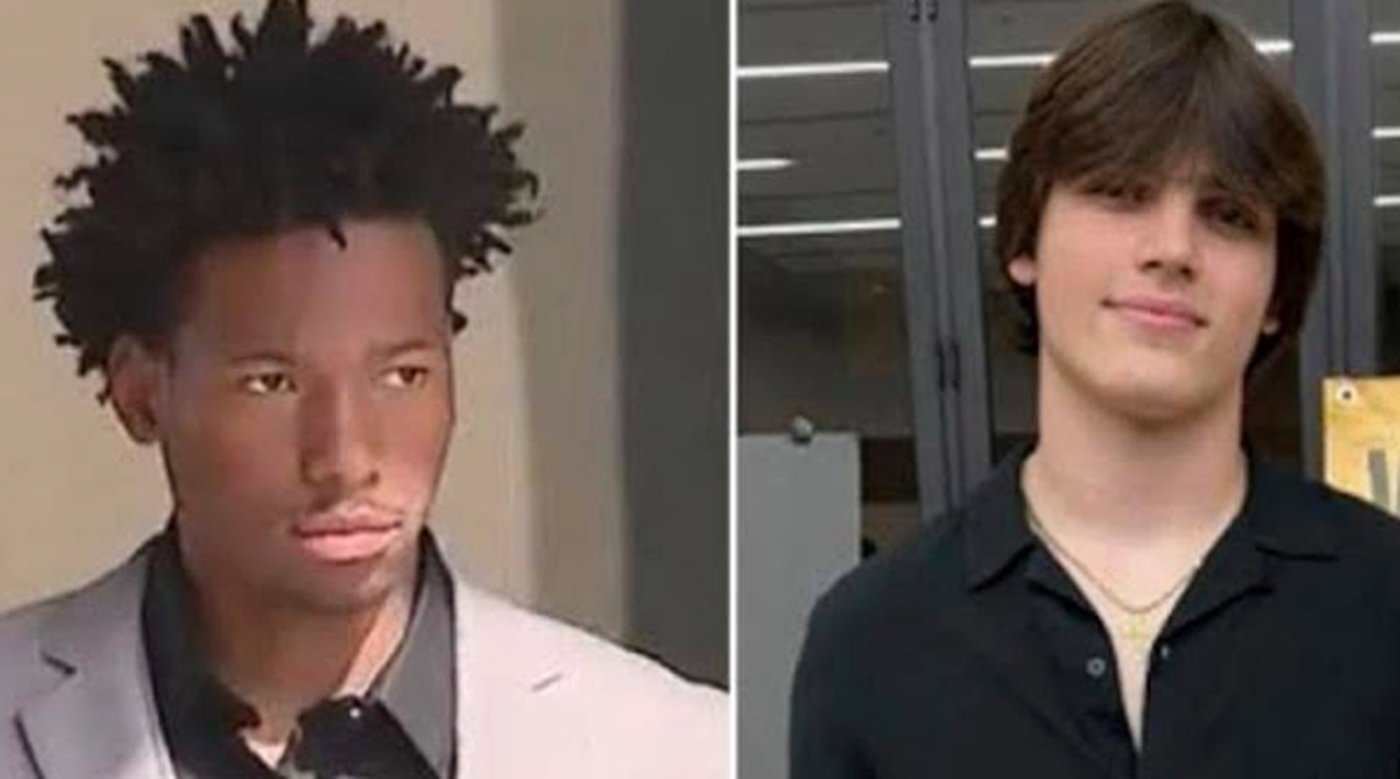
Justice demands accountability, not excuses. Karmelo Anthony chose to arm himself with a knife and fatally stab Austin Metcalf during a simple track meet dispute. A Texas jury reviewed the clear evidence and swiftly convicted him of murder, delivering a 35-year sentence that reflects the severity of taking a young life.
Self-defense claims fell flat against the facts: Anthony escalated a verbal confrontation
into lethal violence. The verdict stands as a rebuke to those who rushed to frame this tragedy through a racial lens instead of focusing on right and wrong.
True equality under the law means rejecting identity politics that shield criminals or diminish victims. Every American, regardless of background, must face consequences for their actions. This case reaffirms that personal responsibility remains the foundation of a just society.
The murder conviction of Karmelo Anthony has generated widespread discussion about criminal responsibility, self-defense claims, and the public reaction surrounding high-profile cases.
Prosecutors argued that Anthony fatally stabbed Austin Metcalf during an altercation, while the defense maintained that Anthony acted in self-defense. After hearing testimony and reviewing evidence presented during the trial, the jury rejected the self-defense argument and returned a guilty verdict.
The case quickly became a topic of national discussion, with commentators, activists,
and social media users offering sharply different interpretations of both the incident and the trial. Some observers focused primarily on the legal evidence and the jury’s findings, arguing that the verdict reflected the judicial process at work. Others raised broader questions about public perception, media coverage, and how high-profile criminal cases are discussed online.
Legal experts note that criminal trials ultimately depend on evidence presented in court rather than public opinion. Jurors are tasked with evaluating witness testimony, physical evidence, and legal standards before reaching a verdict.
The case has also renewed conversations about violence among young people and the lasting consequences of split-second decisions during conflicts. What began as a confrontation ended in tragedy for multiple families, leaving one young man dead and another facing years behind bars.
As reactions continue across social media and news platforms, the case serves as a reminder of the importance of due process, the role of juries in the justice system, and the profound human cost of violent encounters.