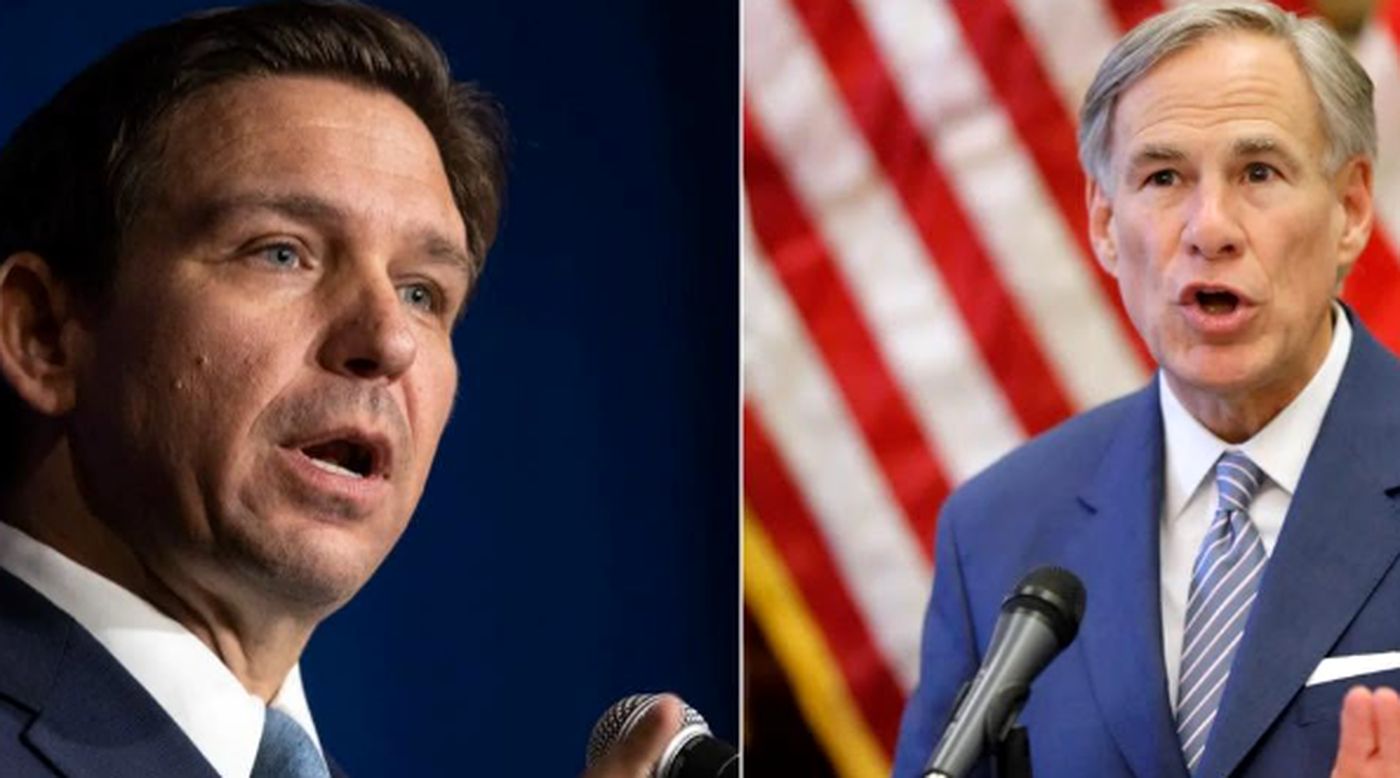
Governor Greg Abbott has once again delivered for Texas families, providing over $50 billion in property tax relief that puts real money back into the pockets of hardworking homeowners. This significant victory showcases strong conservative leadership focused on reducing the tax burden and promoting economic freedom across the Lone Star State.
Florida is following a similar path with bold legislation to abolish property
taxes, proving that red states are leading the way in delivering relief while blue states sink under crushing taxation. Texans and Floridians are seeing the clear benefits of responsible governance.
These wins highlight the stark contrast: lower taxes, limited government, and prosperity under Republican leadership. More states must follow Texas and Florida’s example to restore freedom and opportunity for all Americans.
In Texas, Governor Greg Abbott has promoted a series of property tax relief measures aimed at reducing the burden on homeowners and businesses. State lawmakers have approved multiple tax relief packages in recent years, with supporters arguing that the measures help families cope with rising home values and inflation.
Meanwhile, in Florida, discussions about the future of property taxation have gained momentum. Some state leaders and lawmakers have expressed interest in exploring major reforms, including proposals that could significantly reduce or potentially eliminate certain property tax obligations. However, any large-scale change would require extensive legislative action and, in some cases, voter approval.
Supporters of these efforts argue that lowering property taxes allows residents to
keep more of their income, encourages investment, and strengthens local economies. They view tax relief as a way to address affordability concerns that have become increasingly important as housing costs continue to rise.
Critics, however, caution that property taxes provide a major source of funding for local governments, public schools, emergency services, and infrastructure projects. They argue that any reduction would require alternative revenue sources or spending adjustments to maintain essential public services.
The debate reflects a broader national conversation about taxation, government spending, and economic growth. As states search for ways to balance affordability with public services, property tax reform is likely to remain a key issue for lawmakers and voters alike.
Whether through targeted relief programs or more ambitious reforms, the actions taken in Texas and Florida are being closely watched by policymakers across the country as they consider their own approaches to taxation and economic policy.