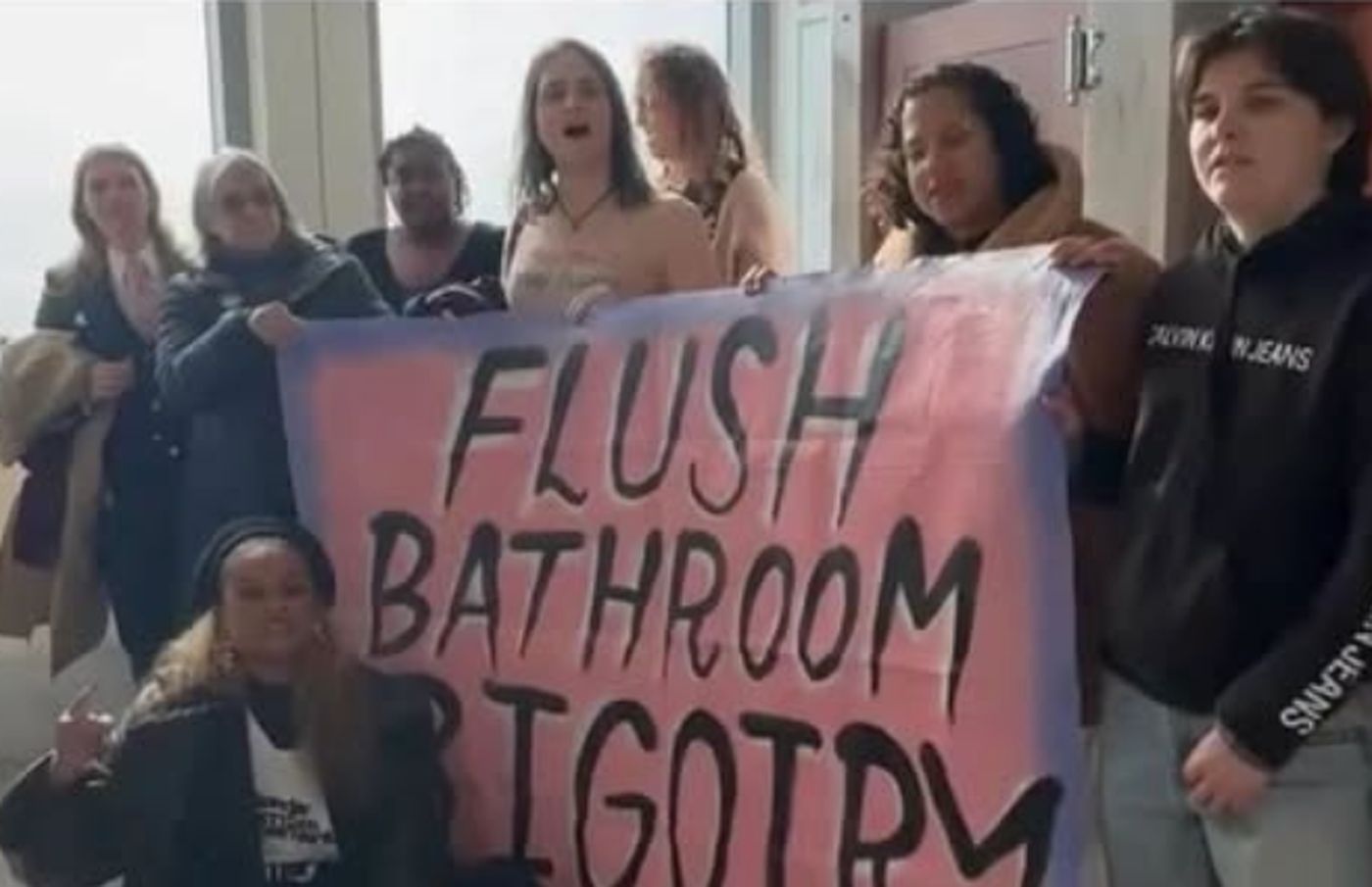
Kansas continues to enforce a law requiring the use of certain sex-segregated facilities, including public restrooms, locker rooms, and changing areas, based on an individual’s biological sex as defined under state law. The policy remains part of a broader national debate over privacy, safety, and transgender rights.
Supporters of the law argue that sex-based facility policies help protect privacy
in spaces traditionally separated by biological sex. They contend that the legislation provides clear legal standards for schools, government buildings, and other public facilities while addressing concerns raised by some parents and women’s advocacy groups.
Opponents, including LGBTQ+ advocacy organizations, argue that the law discriminates against transgender individuals and may expose them to harassment or unequal treatment. Civil rights groups have challenged similar laws in several states, maintaining that transgender people should be able to use facilities consistent with their gender identity.
Kansas is one of several states that have adopted legislation addressing access
to sex-segregated facilities in recent years. The issue has become a prominent topic in state legislatures and courts as lawmakers continue debating how to balance privacy concerns, anti-discrimination protections, and public safety.
Legal experts note that the issue remains the subject of ongoing litigation across the country, with different states adopting varying approaches and courts continuing to interpret how state and federal laws apply to transgender rights and sex-based policies.
As policymakers consider additional legislation, debates over gender identity, privacy protections, and equal access to public accommodations are expected to remain central issues in state and national politics.