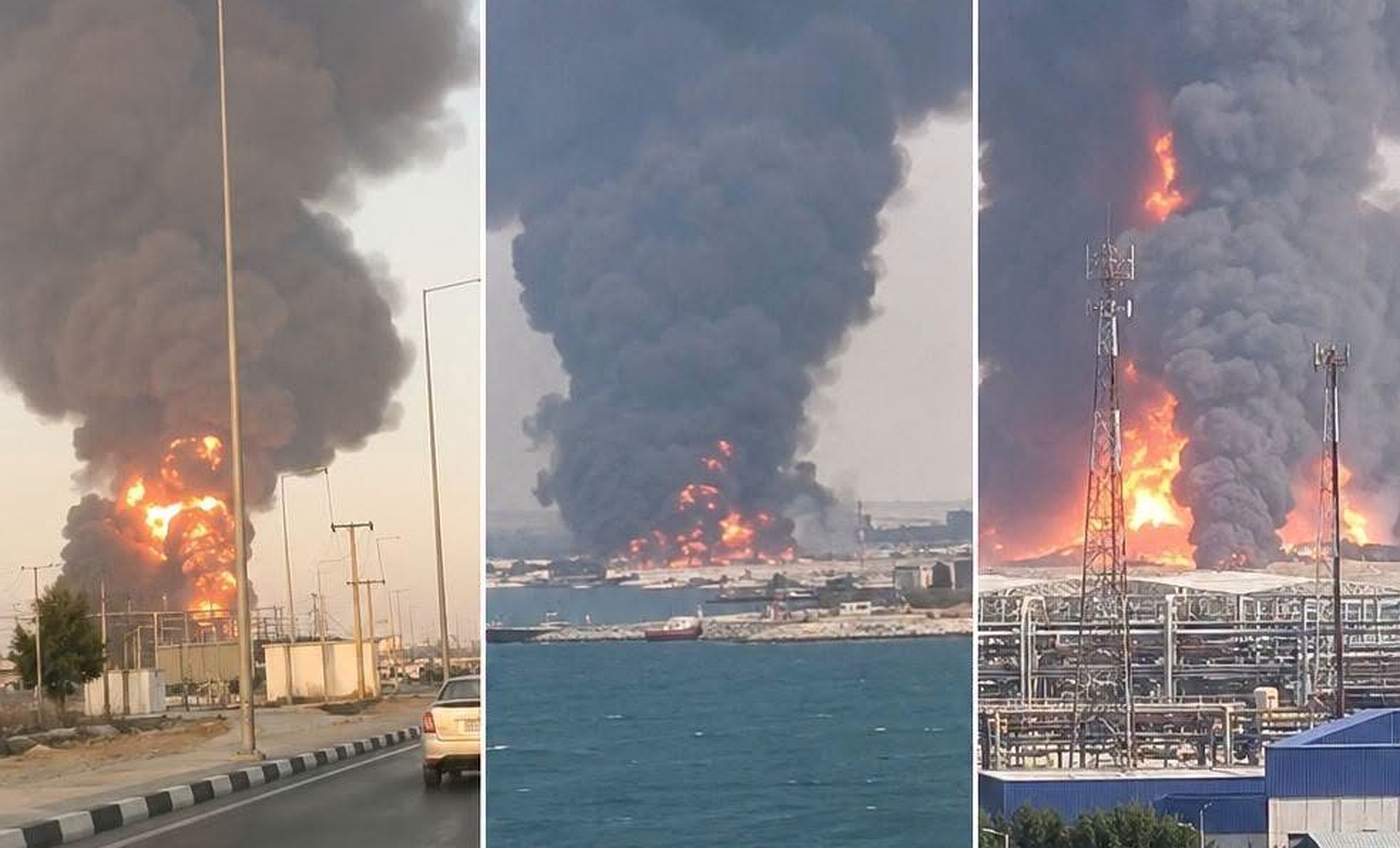
US Completes ‘Heavy Wave’ of Retaliatory Strikes on IRAN — Dozens of IRGC Targets Hit in Response to Attack on US Bases in Jordan!
In a major escalation of regional tensions, the United States military has completed a massive, multi-tiered series of air and missile strikes targeting Iranian forces and allied militias in the Middle East. The operations were launched as a direct response to a deadly drone attack on a US military installation in Jordan near the Syrian border, which resulted in the deaths of three American service members and wounded dozens more.
Here is a breakdown of the developments surrounding the overnight strikes and what they mean for the region.
Massive Scale and Targeted Objectives The retaliatory campaign focused on facilities utilized by Iran’s Islamic Revolutionary Guard Corps (IRGC) Quds Force and affiliated militant groups. According to military officials, American forces struck over 85 targets across multiple locations in Iraq and Syria.
The targets were carefully selected to dismantle the command, control, and supply infrastructure supporting anti-US operations in the region. Among the hit targets were:
Command and Control Operations Centers: Primary headquarters used to coordinate regional militia activities.
Intelligence and Surveillance Hubs: Facilities providing reconnaissance for militia strikes.
Rockets, Missiles, and Drone Storage: Warehouses holding unmanned aerial vehicles (UAVs) and munitions used in recent attacks.
Logistics and Ammunition Supply Chain Facilities: Key nodes used by the IRGC to supply proxies along the border corridor.
The strikes utilized a wide range of strategic assets, including long-range B-1B Lancer strategic bombers flown directly from the continental United States, highlighting the military’s capability to conduct rapid global strikes.
Washington’s Message: Deterrence and Response Following the operation, the White House and
the Department of Defense issued strong statements emphasizing that while the United States does not seek a wider war in the Middle East, attacks on American personnel will meet a decisive answer.
“Our response began today. It will continue at times and places of our choosing. The United States does not seek conflict in the Middle East or anywhere else in the world. But let all those who might seek to do us harm know this: If you harm an American, we will respond.”
Military leadership noted that these strikes were designed to degrade the operational capabilities of the IRGC and its aligned groups, sending a clear warning against further hostilities targeting US bases.
Regional Reactions and Implications The strikes have drawn immediate and sharp reactions across the region:
Tehran and Proxies: Iranian officials and allied militia groups condemned the attacks, labeling them a violation of national sovereignty in Iraq and Syria. Tensions remain high as regional groups assess their next moves.
Iraq and Syria: Authorities in both Baghdad and Damascus raised concerns over escalating military activity within their borders, warning of the risks to local stability.
International Observers: Diplomatic leaders worldwide are watching closely, calling for restraint to prevent the ongoing Gaza conflict from spiraling into a broader regional war.
What Comes Next? Defense analysts suggest this heavy wave of strikes represents the first phase of a broader strategic effort to re-establish deterrence in the region. As the US assesses the damage and monitors militia activity, the crucial question remains whether these strikes will deter further attacks on American personnel or trigger a continued cycle of retaliation.